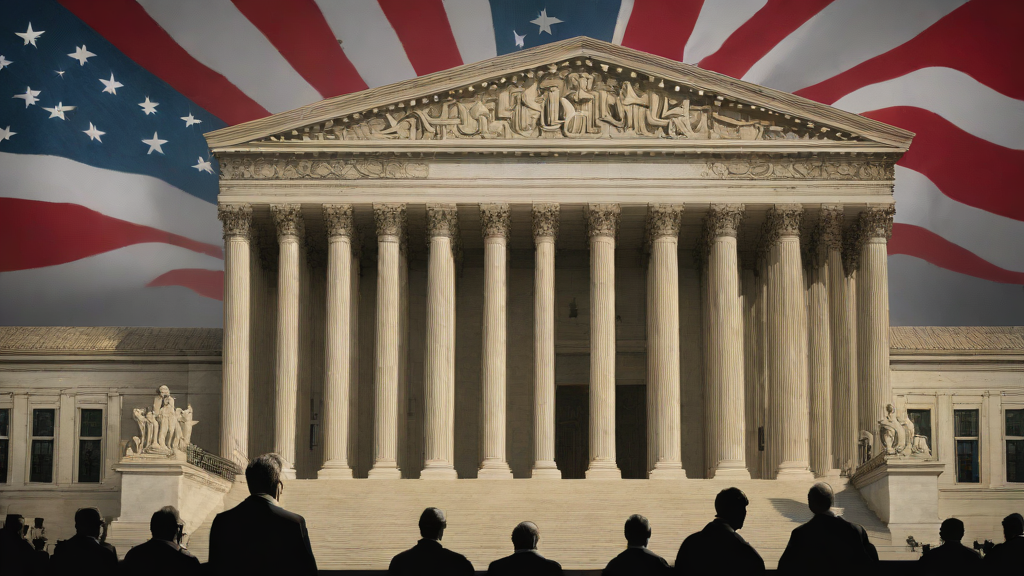
Supreme Court Leak on Clean Power Plan Reveals Internal Struggles
The recent leak of Supreme Court memos regarding the Clean Power Plan has sparked significant controversy, shedding light on internal court dynamics and raising questions about judicial legitimacy. The case, decided over a decade ago, has resurfaced as a tool to challenge the court's authority rather than influence its outcome. Unlike the Dobbs leak, which aimed to sway a pending decision, this leak appears designed to undermine public trust in the judiciary.
The memos, leaked to *The New York Times*, reveal how justices exchanged detailed opinions on the Clean Power Plan during emergency proceedings. These documents highlight the court's internal processes, including Justice Alito's emphasis on the importance of judicial review and institutional legitimacy. The leak has drawn attention to the "shadow docket," a practice where the court makes rulings without oral arguments, often bypassing lower courts. Critics argue that this approach weakens the Supreme Court's authority by allowing lower courts like the D.C. Circuit to have the final say on critical issues.
The implications of the leak extend beyond the case itself. While investigations into who was responsible are ongoing, the incident has reignited debates about transparency and accountability within the judiciary. The court faces pressure to address concerns about its legitimacy, as public trust is crucial to maintaining its role as the nation's highest authority. As the situation unfolds, questions remain about how this leak will impact the court's reputation and future decision-making processes.
Latest News


