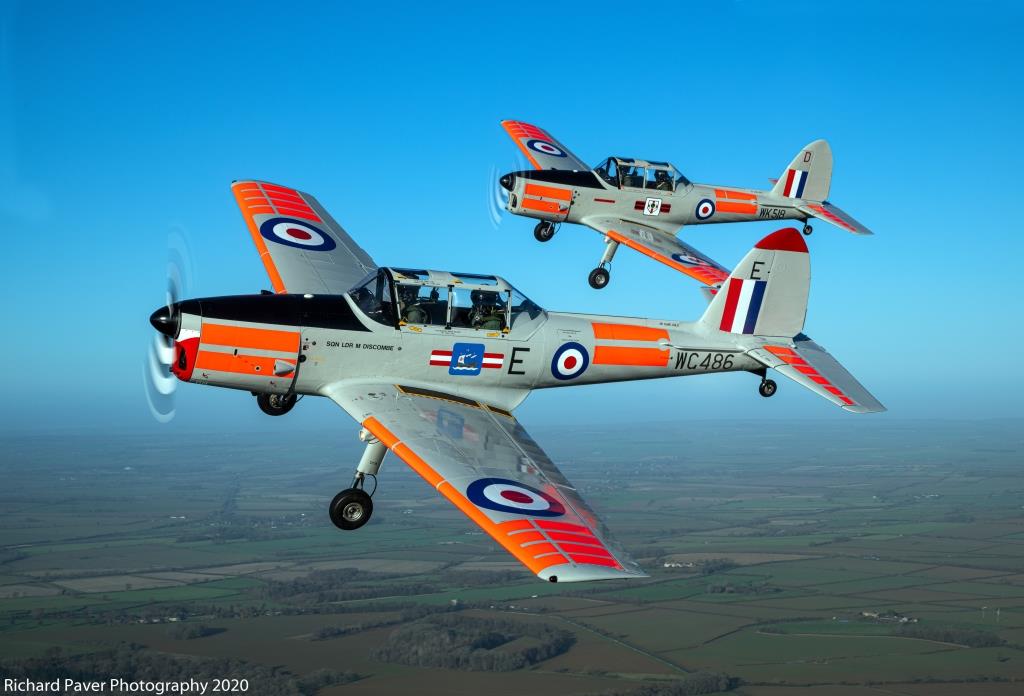
Former Training Plane Served as Secret Intelligence Asset in Cold War Berlin
The de Havilland Canada Chipmunk, primarily known as a basic trainer for military pilots, played a clandestine role as a spyplane during the Cold War. Between 1956 and 1990, a small number of these propeller-driven aircraft were used to monitor Warsaw Pact forces within the heavily fortified city of Berlin. This unusual deployment occurred as part of a broader effort to gather intelligence on Soviet activities in a region that served as a primary front line of global tension.
The use of the Chipmunk was a strategic maneuver to bypass restrictions on military flights. Following the Berlin Airlift, the Western Allies were forbidden from flying combat aircraft through the air corridors leading into West Berlin. However, transport and training aircraft were exempt from this rule. By utilizing a plane designed for student pilots, the British were able to conduct top-secret intelligence missions under the guise of routine flight operations.
These flights were part of a complex geopolitical arrangement where Western Allies maintained liaison missions to ensure communication with Soviet forces. In reality, these missions, such as the British Mission to Soviet Forces in Germany, became vital tools for espionage. The Chipmunks operated within the Berlin Control Zone, exploiting legal loopholes to observe the Soviet zone and East Germany while avoiding the diplomatic fallout associated with combat aircraft.
The significance of the Chipmunk's role is highlighted during the 80th anniversary of the aircraft's first flight. While many remember the plane as a simple teaching tool, specific airframes, such as those currently maintained by the Battle of Britain Memorial Flight, serve as reminders of the covert aerial surveillance that defined the era of the Iron Curtain.
Latest News


