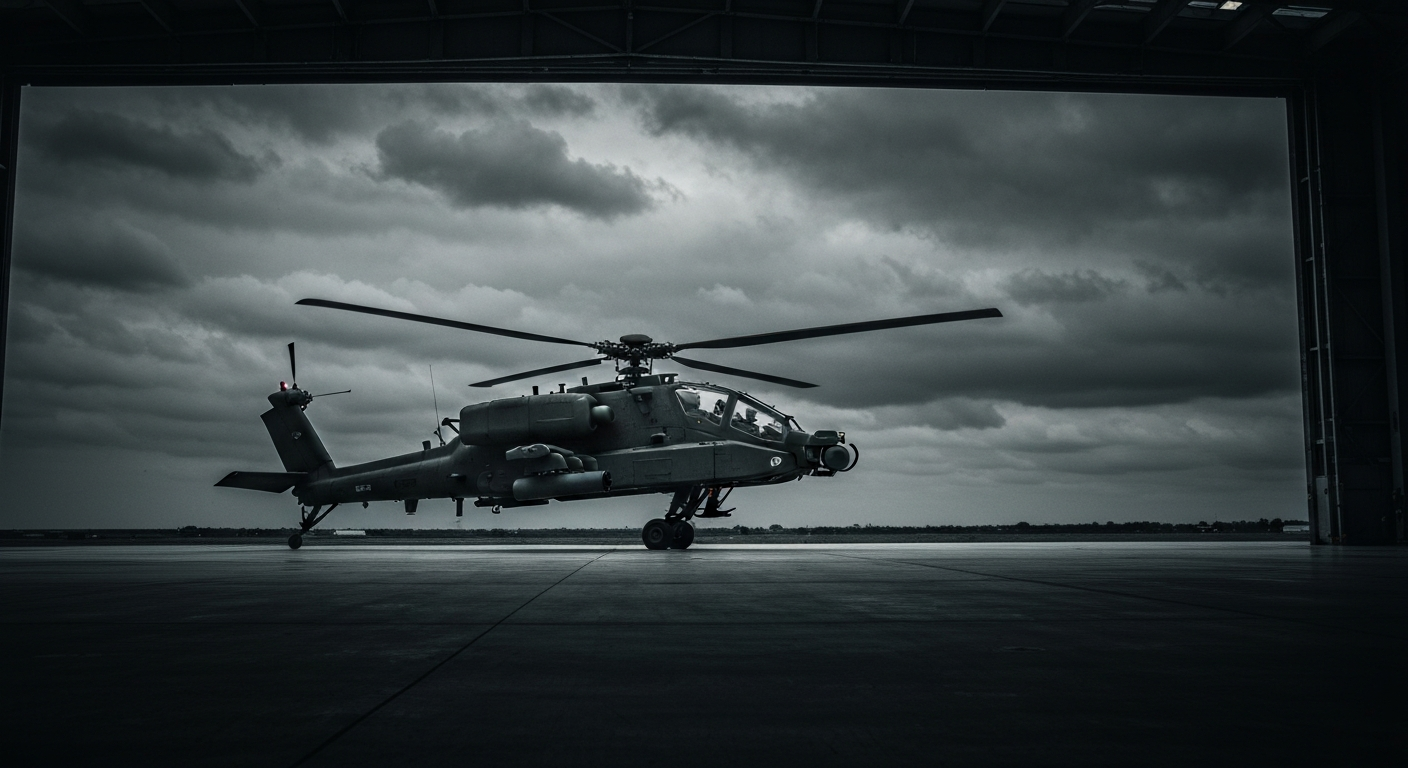
AH-64 Apache Attack Helicopter
The AH-64 Apache stands as the preeminent attack helicopter in the United States Army inventory and remains a cornerstone of modern aerial warfare. Developed by Hughes Helicopters as the Advanced Attack Helicopter program, the platform was designed to replace the aging AH-1 Cobra with a more survivable, lethal, and all-weather capable machine. Since its official introduction in 1986, the Apache has evolved through several iterations, most notably the AH-64D Longbow and the current AH-64E Guardian. Its distinctive silhouette, characterized by a tandem cockpit and a high-mounted sensor suite, has become synonymous with precision ground support and deep-strike capabilities across global theaters of operation.
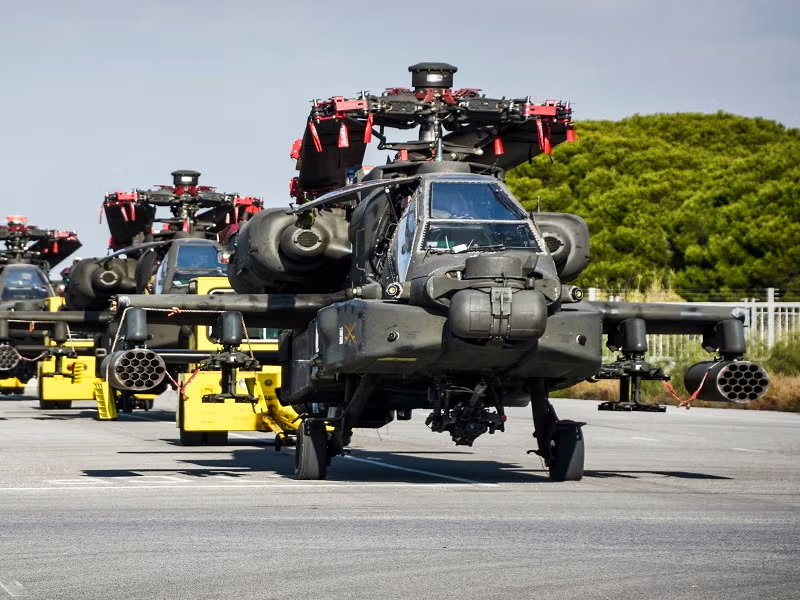
At the core of the Apache’s lethality is its sophisticated weapon systems and sensor integration. The aircraft is equipped with a 30mm M230 chain gun mounted under the fuselage, capable of firing over 600 rounds per minute, which is slaved to the pilot's helmet-mounted display. Beyond the cannon, the helicopter carries a versatile array of ordnance, including AGM-114 Hellfire anti-tank missiles and 2.75-inch Hydra 70 rockets. The integration of the Modernized Target Acquisition Designation Sight and Pilot Night Vision Sensor allows crews to identify and engage targets in near-total darkness or through adverse weather conditions, providing a distinct tactical advantage on the battlefield.
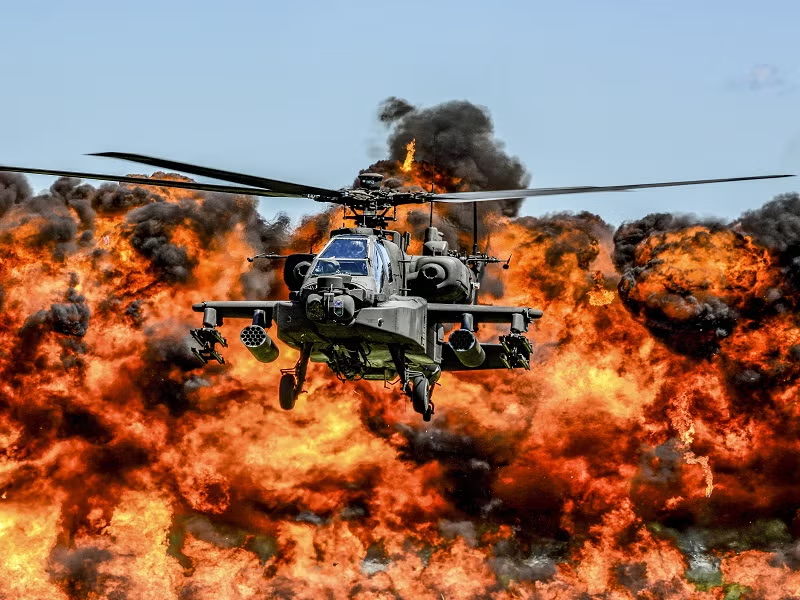
The history of the Apache is marked by its baptism of fire during Operation Just Cause in Panama, followed by a decisive performance during Operation Desert Storm. In the latter conflict, Apaches were credited with destroying critical Iraqi radar sites, effectively opening the air corridor for coalition forces. Over the subsequent decades, the platform has seen extensive service in Iraq and Afghanistan, where it proved indispensable for urban combat, convoy escort, and close air support missions. Its ability to loiter over a target area for extended periods while providing real-time intelligence and fire support has made it a preferred asset for ground commanders facing asymmetric threats.
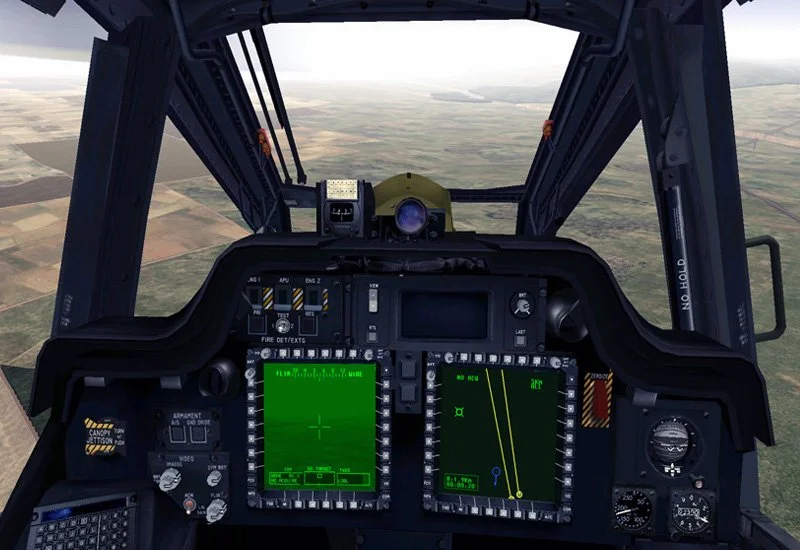
Technically, the AH-64 is a masterpiece of rotary-wing engineering. Powered by two General Electric T700 turboshaft engines, the helicopter can reach speeds exceeding 170 miles per hour and operate at high altitudes. The airframe is designed with significant survivability features, including a reinforced cockpit to protect the crew during a crash, redundant flight control systems, and armor plating capable of resisting fire from small arms and heavy machine guns. The rotor system is engineered to withstand hits from 23mm anti-aircraft rounds, ensuring that the aircraft can remain operational even after sustaining significant combat damage.
The significance of the AH-64 Apache extends beyond its role as a weapon system, as it represents a shift in military doctrine toward integrated, network-centric warfare. Modern variants, such as the AH-64E, feature advanced data links that allow the helicopter to communicate with unmanned aerial vehicles, sharing sensor data in real time to expand the pilot's situational awareness. As the Apache continues to serve in the militaries of the United States and numerous allied nations, it remains a testament to the enduring necessity of tactical air power. Through constant technological upgrades and combat-proven reliability, the Apache secures its legacy as the definitive attack helicopter of the late twentieth and early twenty-first centuries.
Latest News


