B-2 Spirit Bomber
The B-2 Spirit, often referred to as the Stealth Bomber, stands as a pinnacle of American aerospace engineering and a cornerstone of the United States Air Force strategic deterrent capability. Developed by Northrop Grumman during the height of the Cold War, this flying wing aircraft was designed to penetrate dense anti-aircraft defenses by remaining virtually invisible to enemy radar. Its unique shape, characterized by a lack of vertical stabilizers and a seamless integration of the fuselage and wings, allows it to manipulate radar cross-sections to an unprecedented degree. As a multi-role bomber capable of delivering both conventional and nuclear munitions, the B-2 represents a significant leap in military technology that has fundamentally altered the landscape of modern aerial warfare.
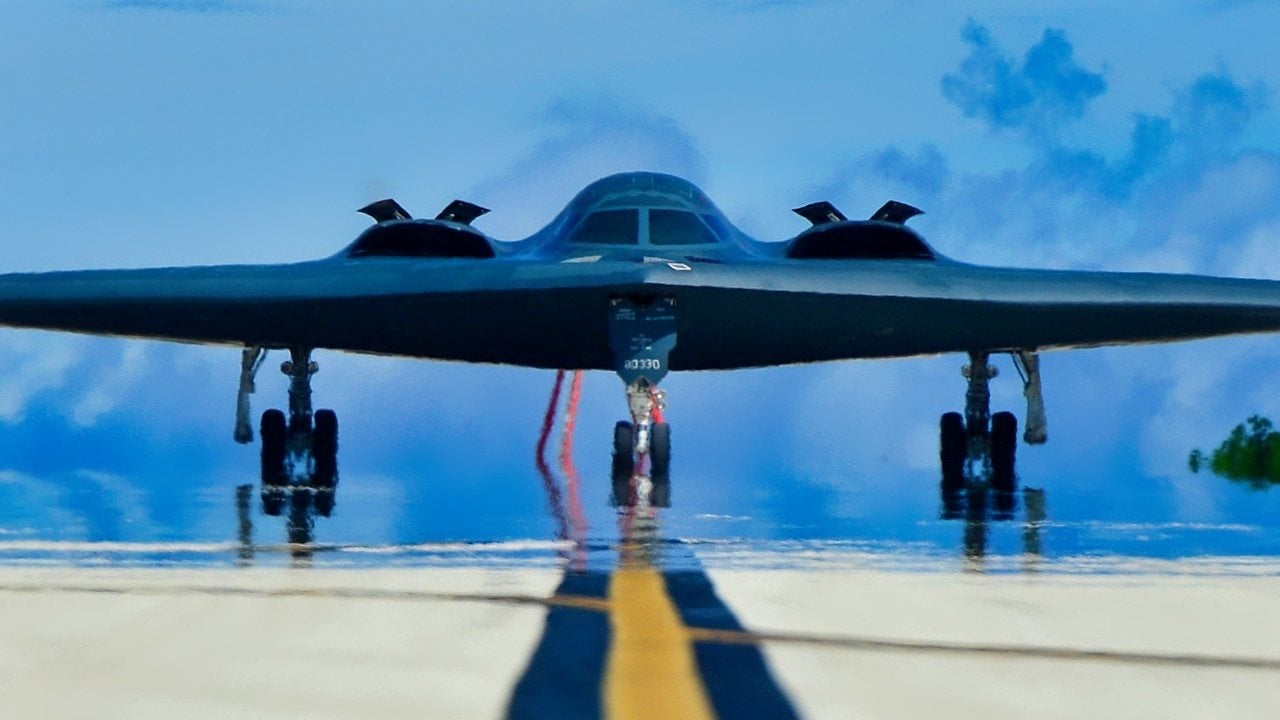
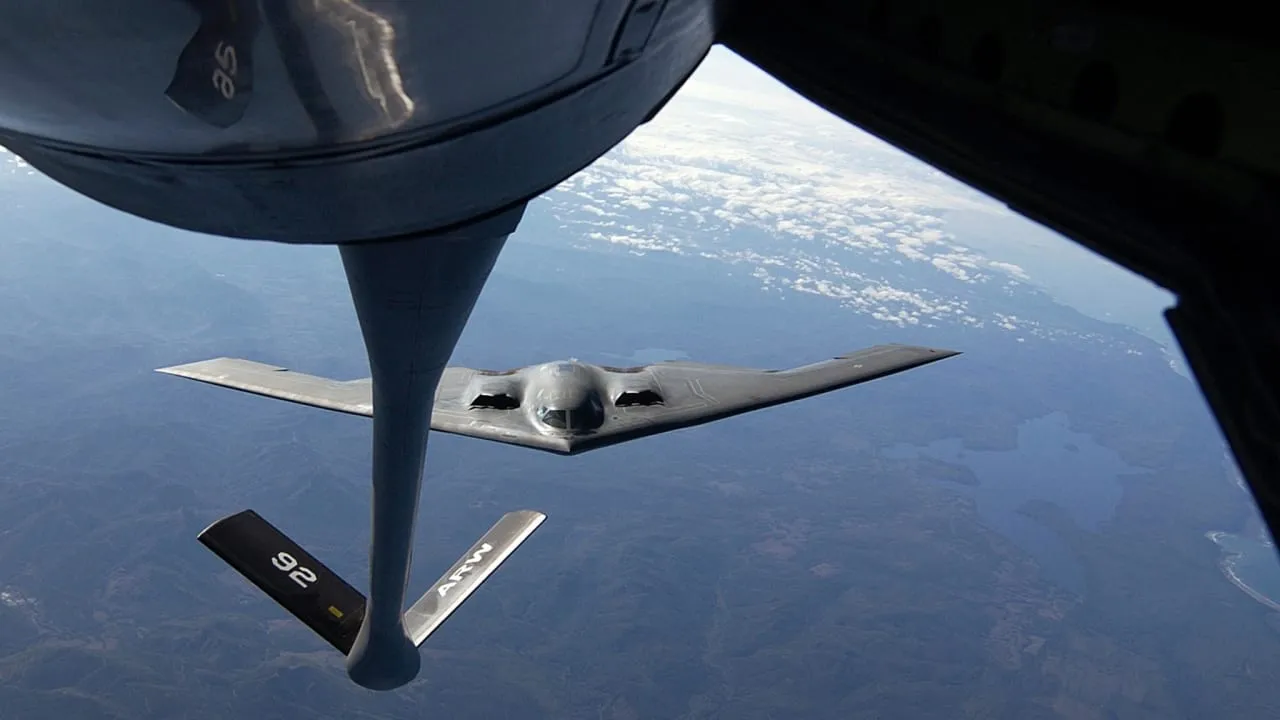
The history of the B-2 program is rooted in the quest for survivability in high-threat environments. Following its first flight in 1989 and subsequent introduction into active service in 1997, the aircraft became the most expensive military project of its time, with each unit costing approximately two billion dollars. Despite the high price tag, the B-2 proved its worth during numerous global conflicts, including operations in Kosovo, Iraq, Afghanistan, and Libya. Its ability to fly long-range missions from its home base at Whiteman Air Force Base in Missouri to any point on the globe, often requiring multiple mid-air refuelings, provides the United States with unparalleled global strike flexibility.
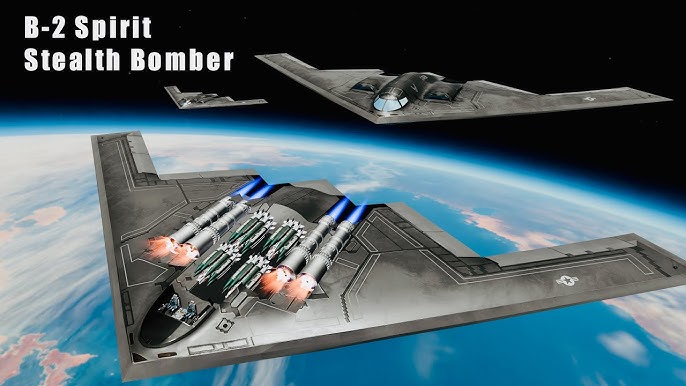
Technically, the B-2 is a marvel of aerodynamic efficiency and low-observable technology. Powered by four General Electric F118-GE-100 turbofan engines, the aircraft can achieve subsonic speeds while maintaining a ceiling of 50,000 feet. It features a wingspan of 172 feet and a length of 69 feet, yet its radar signature is often compared to that of a large bird or a small insect. The airframe is coated with specialized radar-absorbent materials that dissipate electromagnetic energy, further masking the bomber from detection. Inside the cockpit, a two-person crew manages sophisticated avionics and navigation systems that allow for precise target acquisition even in the most challenging conditions.
The strategic significance of the B-2 Spirit extends beyond its physical capabilities. It serves as a psychological deterrent, signaling to adversaries that no target is beyond the reach of American air power. Because of its limited fleet size—only 21 aircraft were ever built, with 20 currently in service—the B-2 is treated as a high-value asset, reserved for the most critical and sensitive missions. While the Air Force continues to develop the next generation of stealth bombers, the B-2 remains a vital component of the nuclear triad. It bridges the gap between legacy platforms and future technologies, ensuring that the United States maintains its technological edge in an increasingly complex and contested global security environment.
Latest News


