LOCUST laser weapon system
The LOCUST Laser Weapon System, formally recognized as the Modular Laser Directed Energy Weapon System, represents a significant leap forward in the field of modern military defense technology. Developed by the aerospace and defense firm AeroVironment, this system functions primarily as a sophisticated counter-unmanned aerial system designed to neutralize hostile drone threats. By integrating advanced artificial intelligence, the platform can autonomously identify, track, and engage aerial targets, providing a critical layer of protection for ground forces and naval assets against the growing proliferation of low-cost, high-impact unmanned aerial vehicles.
The origin of the LOCUST system can be traced back to 2023, when the U.S. Navy’s Naval Surface Warfare Center awarded a development contract to AeroVironment. The initial objective was to engineer a directed-energy prototype specifically tailored for integration onto the Joint Light Tactical Vehicle used by the United States Marine Corps. This project successfully evolved into the current iteration of the LOCUST, demonstrating the military's urgent need for mobile, high-precision defensive capabilities that can keep pace with rapidly advancing drone warfare tactics.
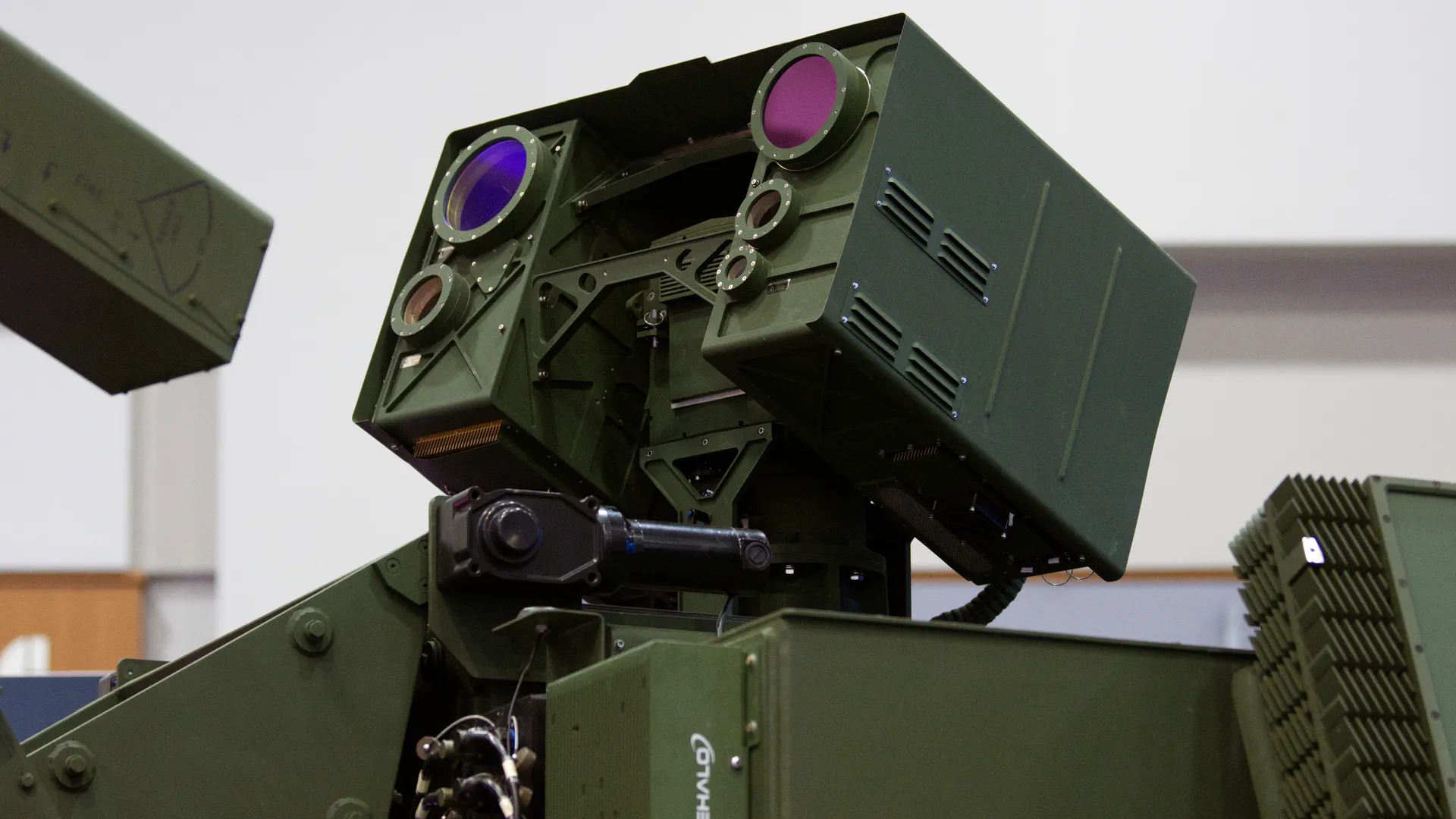
Technical flexibility serves as a cornerstone of the LOCUST design philosophy. The system is built upon a Modular Open Systems Approach, which allows military personnel to adapt the hardware and software configuration to meet the specific requirements of a given mission. This modularity ensures that the weapon remains relevant as new threats emerge, as components can be upgraded or swapped without requiring a complete overhaul of the platform. By utilizing this open architecture, AeroVironment has created a versatile tool that can be deployed across various operational environments.
In terms of raw power, the LOCUST system operates within the 20 to 35 kilowatt range, though the design is inherently scalable to accommodate higher power outputs if future tactical requirements demand it. This energy output is sufficient to provide a reliable hard-kill capability, meaning the laser physically destroys the target rather than merely jamming its communication links. This kinetic-like effect ensures that incoming drones are completely incapacitated, effectively removing them from the battlefield and preventing them from completing their reconnaissance or strike missions.
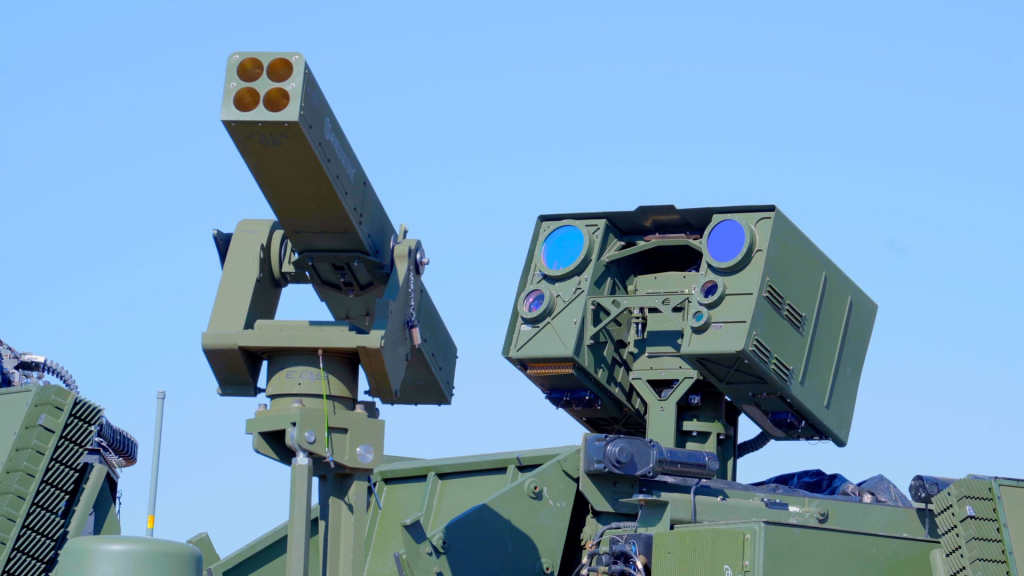
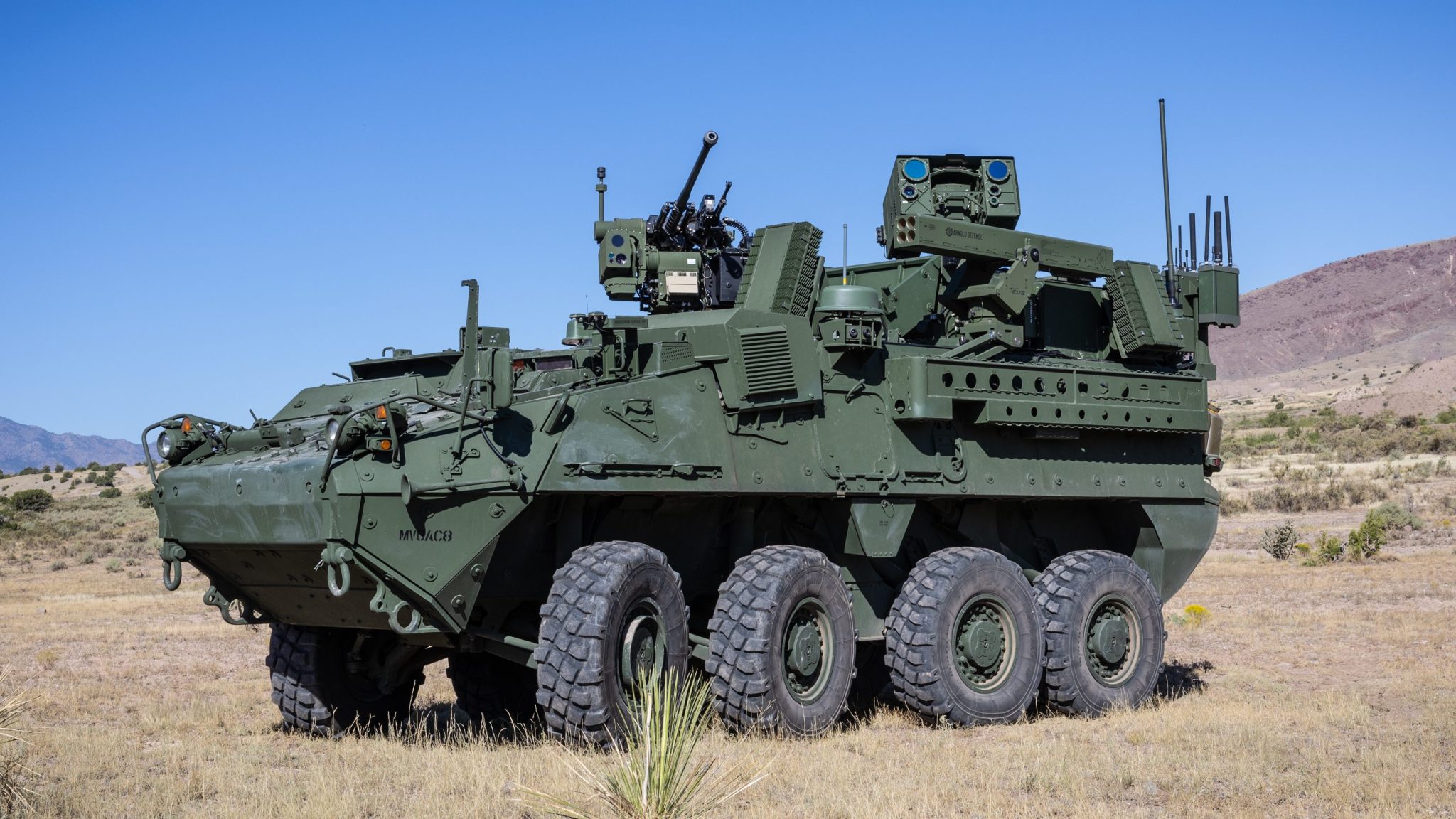
The deployment of the LOCUST system is designed to be highly mobile, ensuring that defensive coverage is not tethered to static installations. The system is specifically engineered for mounting on the U.S. Army’s Joint Light Tactical Vehicle and the M1301 Infantry Squad Vehicle. By placing high-energy lasers on these agile platforms, the military can provide immediate, front-line protection for maneuvering units. This mobility is essential for modern combat, where the threat of drone swarms can materialize quickly and in unpredictable locations.
A major milestone in the development of the LOCUST occurred when the U.S. Army received its first two JLTV-mounted units on December 18, 2025. These deliveries were part of the Army Multi-Purpose High Energy Laser prototyping initiative, a broader effort to standardize and field directed-energy weapons across various branches of the armed forces. This transition from prototype to field-ready hardware underscores the military's confidence in the system's ability to provide a robust defense against the increasing prevalence of drone-based warfare.
The operational effectiveness of the LOCUST has already been validated through rigorous testing in real-world scenarios. During a notable live-fire exercise conducted on board the USS George H. W. Bush, the system demonstrated its ability to operate in a maritime environment. Throughout the test, the LOCUST successfully detected, engaged, and destroyed multiple unmanned aerial targets, proving that its artificial intelligence and beam-steering capabilities are capable of handling dynamic, high-speed threats in challenging conditions.
Looking toward the future, the LOCUST Laser Weapon System stands as a testament to the shift toward directed-energy solutions in modern defense strategy. As drone technology becomes more accessible to adversaries, the ability to counter these threats with speed, precision, and efficiency becomes paramount. By combining the agility of the JLTV platform with the destructive power of a scalable laser, AeroVironment has provided the U.S. military with a potent tool that significantly enhances the survivability of troops and equipment on the modern battlefield.
Latest News


