X-BAT AI Controlled VTOL Fighter Jet
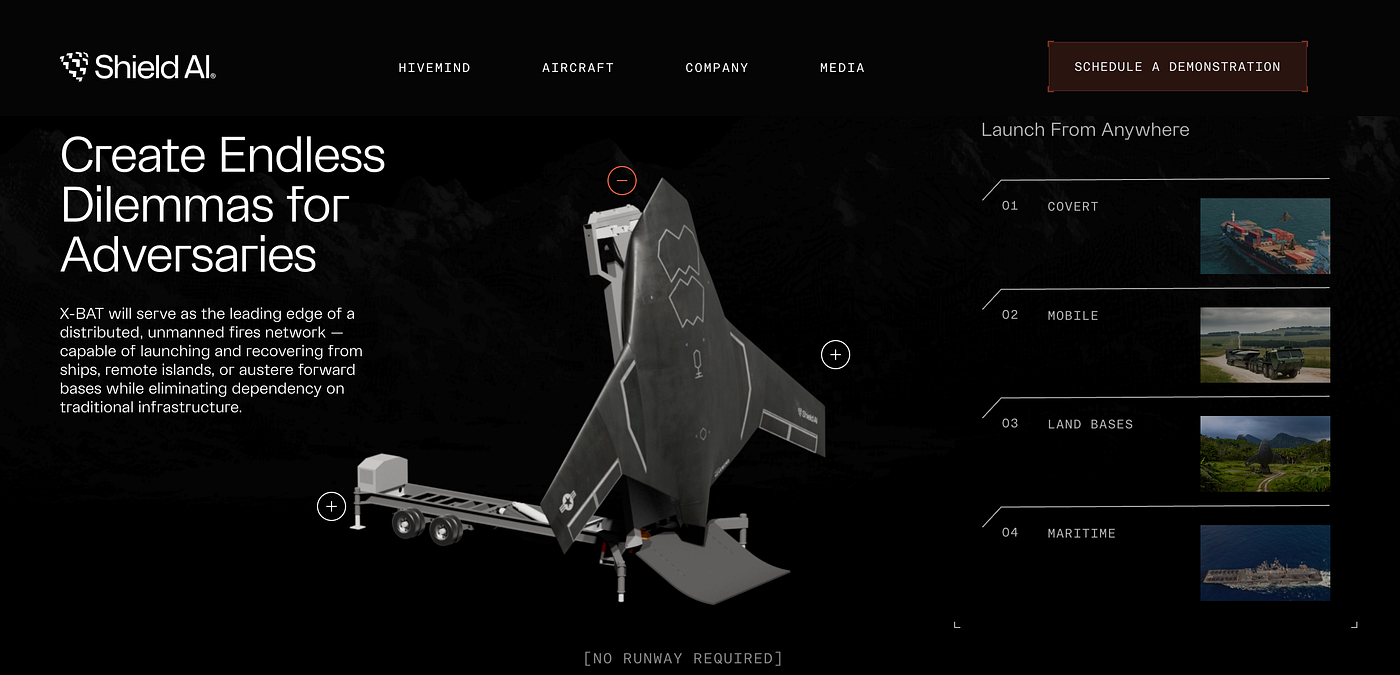
Shield AI has officially unveiled the X-BAT, a highly advanced, stealth-capable, jet-powered autonomous fighter drone designed to revolutionize modern aerial combat. Representing a significant leap forward from the company’s combat-proven V-BAT system, the X-BAT is engineered for vertical takeoff and landing, allowing it to operate independently of traditional runways. By utilizing a tail-sitting configuration, the aircraft can launch and recover in austere environments, providing a level of tactical flexibility that current fifth-generation fighters cannot match. Shield AI intends for this platform to disrupt the Collaborative Combat Aircraft and Unmanned Combat Air Vehicle markets by offering a cost-effective, multi-role solution that addresses the logistical vulnerabilities inherent in contemporary air power.
The development of the X-BAT is spearheaded by Armor Harris, the Senior Vice President of Shield AI’s aircraft division. Harris brings a wealth of aerospace expertise to the project, having previously served in leadership roles at SpaceX, where he was instrumental in the development of the Falcon 9’s vertical landing capabilities. This background in reusable rocket technology is central to the X-BAT’s design philosophy. By applying lessons learned from space launch vehicles to military aviation, Shield AI aims to solve the problem of runway dependency, which has become a major strategic liability in the face of peer adversaries like China, who possess the capability to neutralize traditional airbases through long-range missile strikes.
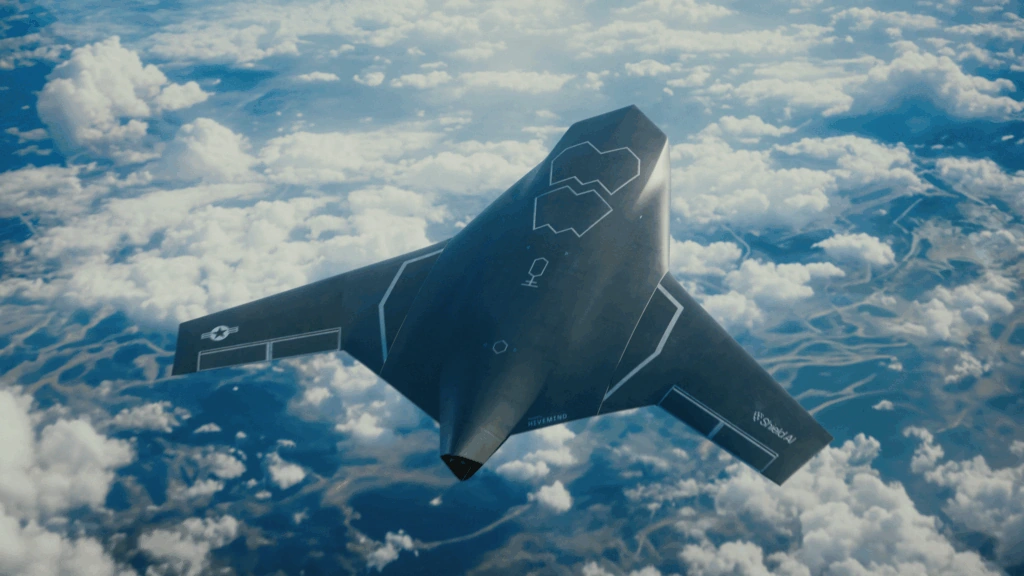
Physically, the X-BAT features a distinctive cranked-kite planform, measuring 26 feet in length with a wingspan of 39 feet and a height of 4.7 feet. The drone is powered by a single afterburning jet engine, which provides the necessary thrust-to-weight ratio to achieve vertical liftoff without the need for complex lift fans or tilt-rotor mechanisms. The aircraft is designed for high performance, boasting a maximum range of 2,000 nautical miles and a service ceiling of 50,000 feet. Its modular architecture is built on open mission systems, ensuring that the platform can be easily upgraded with new sensors, electronic warfare suites, or weaponry as the threat landscape evolves over the coming decades.
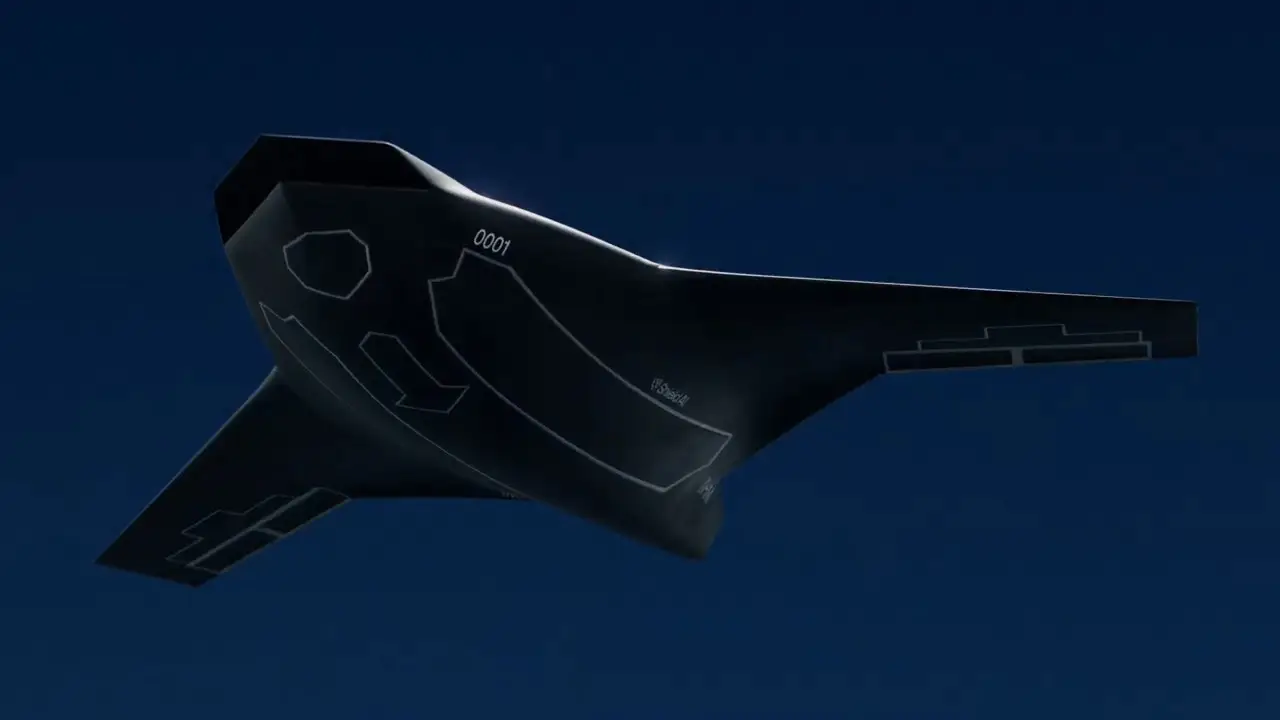
A core advantage of the X-BAT is its ability to operate without the support of tanker aircraft, which are often targeted in modern wargaming scenarios. By basing the drones closer to the front lines, commanders can project power without relying on vulnerable fuel-delivery chains. Furthermore, the aircraft is designed to be truly multi-role, capable of executing air-to-air, air-to-ground, and electronic warfare missions, as well as intelligence, surveillance, and reconnaissance tasks. This versatility allows the military to move away from expensive, single-purpose weapon systems, providing a more sustainable and adaptable force structure that can respond to diverse global threats ranging from the Pacific to Eastern Europe.
The X-BAT distinguishes itself from other autonomous drone programs by being designed from the ground up for independent operation. While many current collaborative combat aircraft are tethered to a manned quarterback aircraft for command and control, the X-BAT possesses the size, weight, and power to carry the advanced computing and sensor suites required for standalone autonomy. Leveraging Shield AI’s proprietary Hivemind software, the drone can operate in complex, contested environments without constant human intervention. Although it is capable of working in concert with other assets, it is intended to function as a fully autonomous fighter that can make critical decisions in real-time.
The recovery process for the X-BAT is perhaps its most innovative feature, drawing inspiration from the experimental X-13 aircraft of the 1950s. While the X-13 struggled with the limitations of early jet engines, the X-BAT utilizes modern guidance, navigation, and control systems derived from the V-BAT program to execute precise tail-first landings. During takeoff, the aircraft utilizes its afterburner to achieve the necessary thrust for a vertical ascent. Upon returning from a mission, the drone’s reduced fuel weight allows it to land using dry engine power, which prevents heat damage to the recovery mechanism and the ground environment. This capability ensures that the aircraft can be recovered safely even while carrying internal weapons, further enhancing its operational utility.
Ultimately, Shield AI views the X-BAT as a critical tool for breaking the current cost curve of military aviation. By providing the capabilities of an expensive fifth-generation fighter at a fraction of the life-cycle cost, the platform offers a path to achieving the affordable mass required to counter larger, better-funded adversaries. While the company faces skepticism regarding its entry into the high-end combat aircraft market, the X-BAT represents a bold attempt to rethink the fundamentals of air power. By combining vertical takeoff and landing with advanced autonomy and stealth, Shield AI is positioning the X-BAT as a potential game-changer in the future of global military strategy.
Latest News


